
Topic links
Curated references for understanding Earth from the Moon, lunar observation, and the standards and data behind the concept.
References
Lunar observation and Earth study
External sources we draw on when thinking about a fixed camera on the Moon. They sort into three foundations: how Earth actually looks from the Moon (LROC, Apollo, the agencies), the positional data that pins Earth in the lunar sky (JPL's ephemerides — the basis of every computed figure on this site), and the imaging standards and textures behind the high-resolution previews.
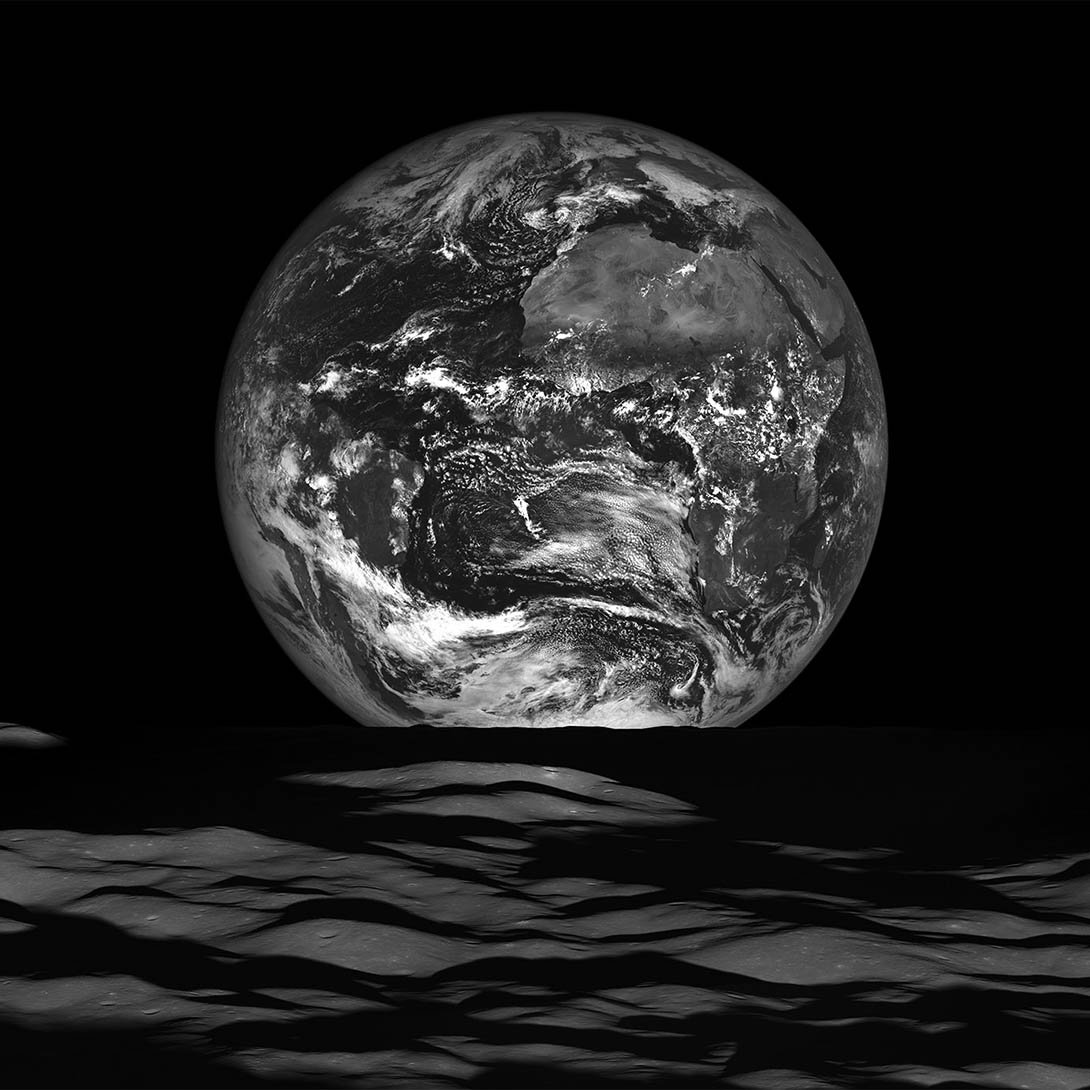
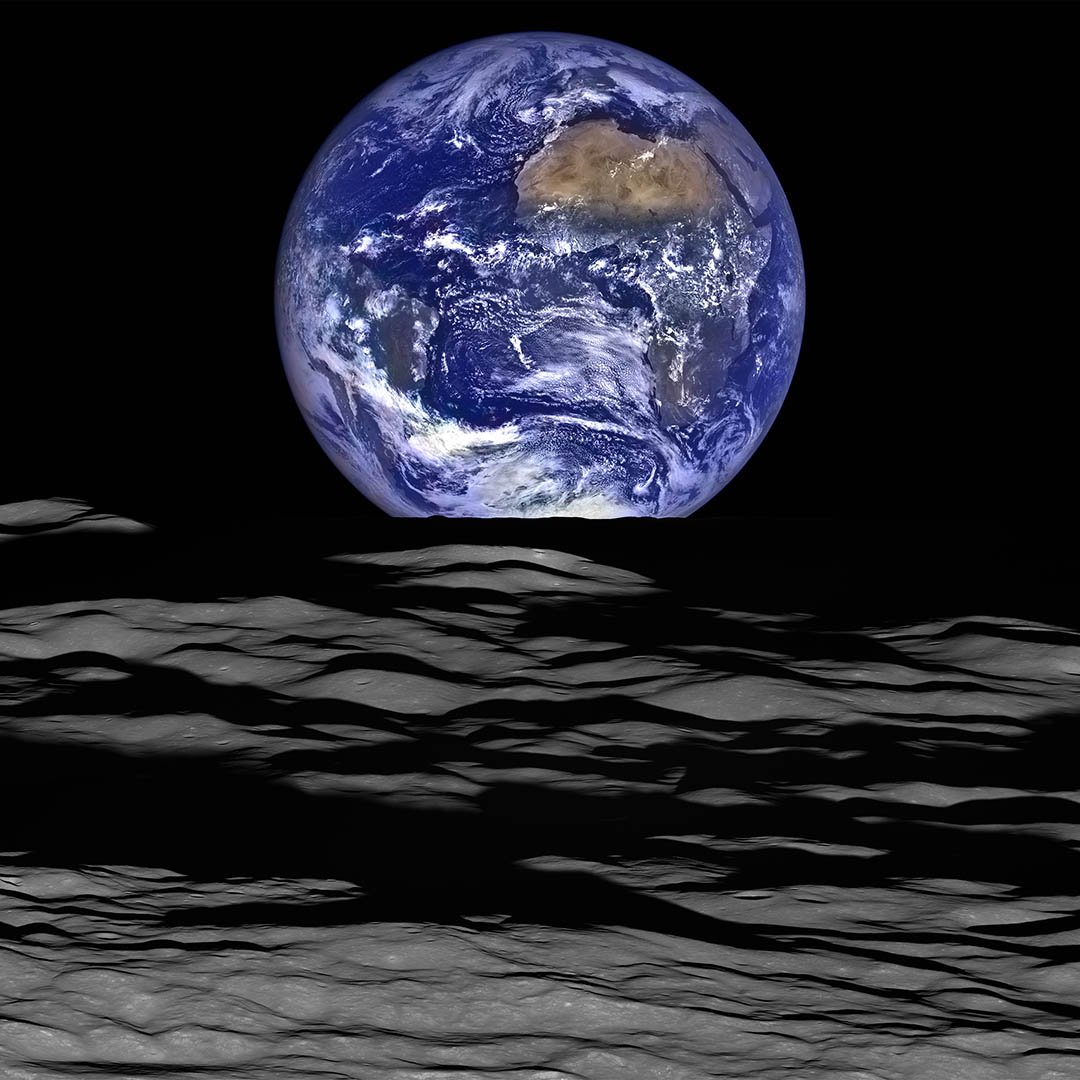
LROC: Looking Over The Limb
Lunar Reconnaissance Orbiter Camera imagery from near the lunar limb — a sense of how the surface and Earth appear from the Moon's edge.
Visit source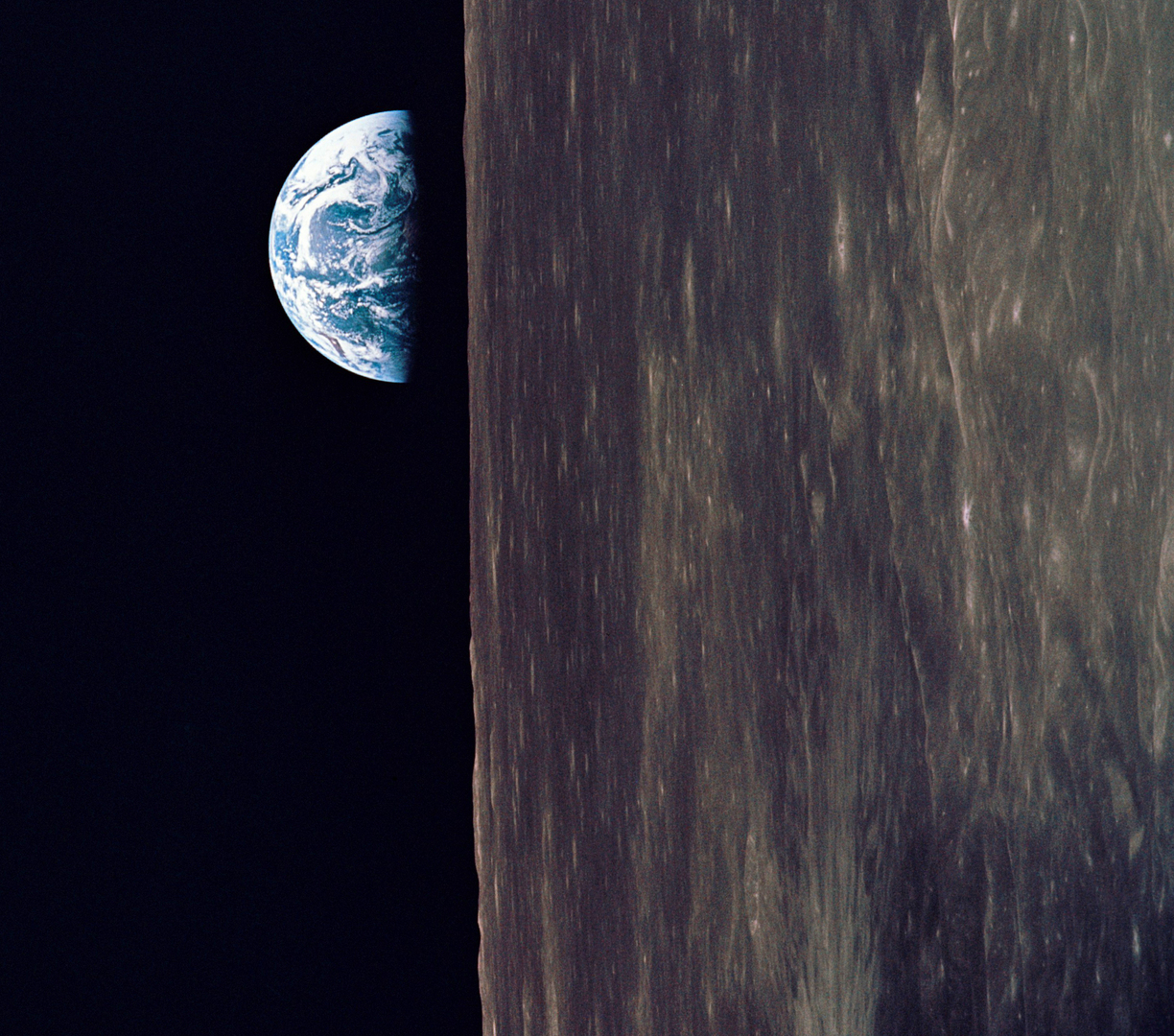
NASA: Apollo 10 view of the Earth
An Apollo-era photograph of the whole Earth from near the Moon — a glimpse of the perspective a permanent lunar camera would hold continuously.
Visit source
NASA
The U.S. space agency's portal — lunar science, imagery archives, and mission context relevant to observing Earth from the Moon.
Visit source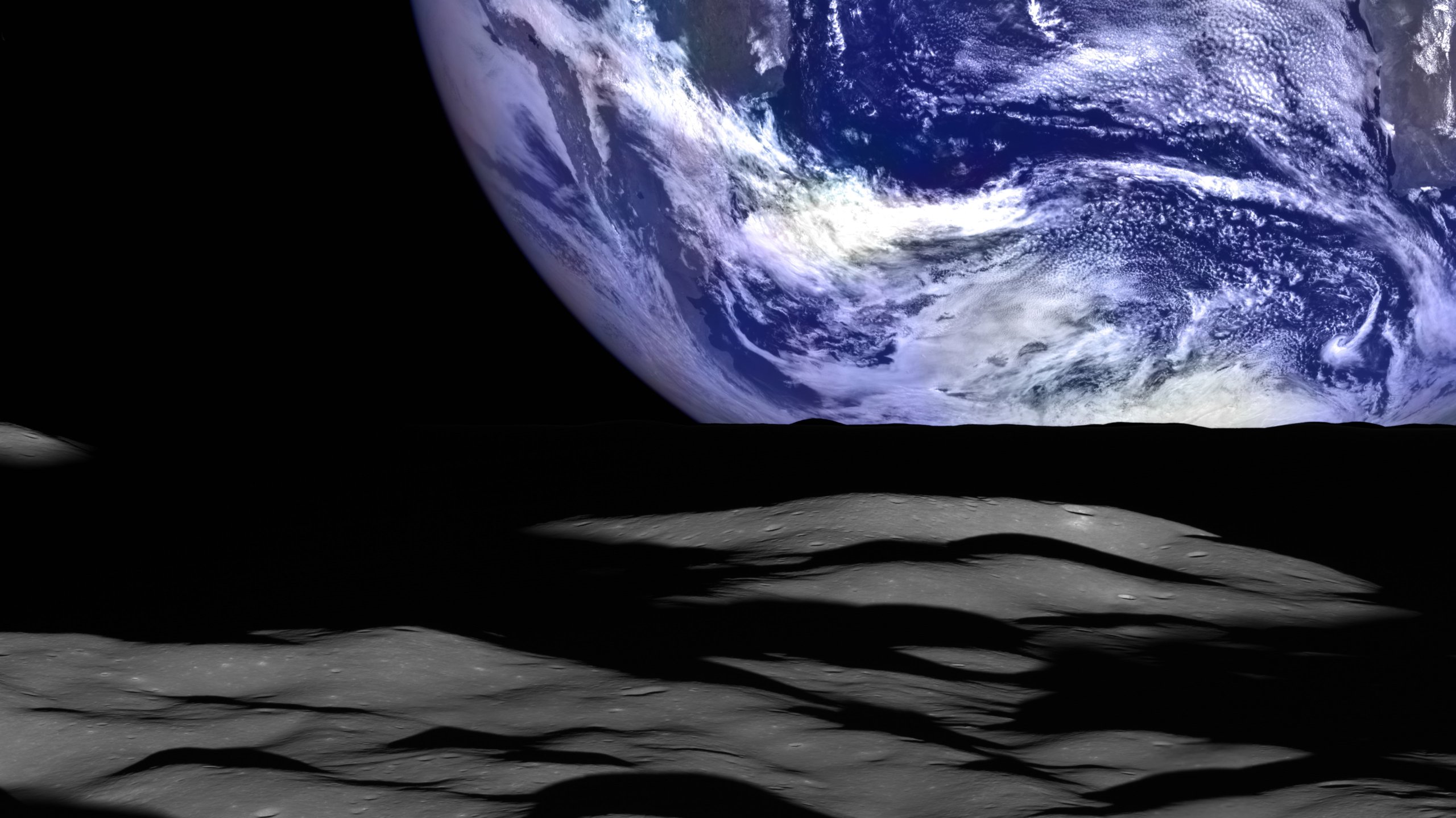
ESA
The European Space Agency — exploration programmes, Earth observation, and lunar activity that frame the wider context for the concept.
Visit source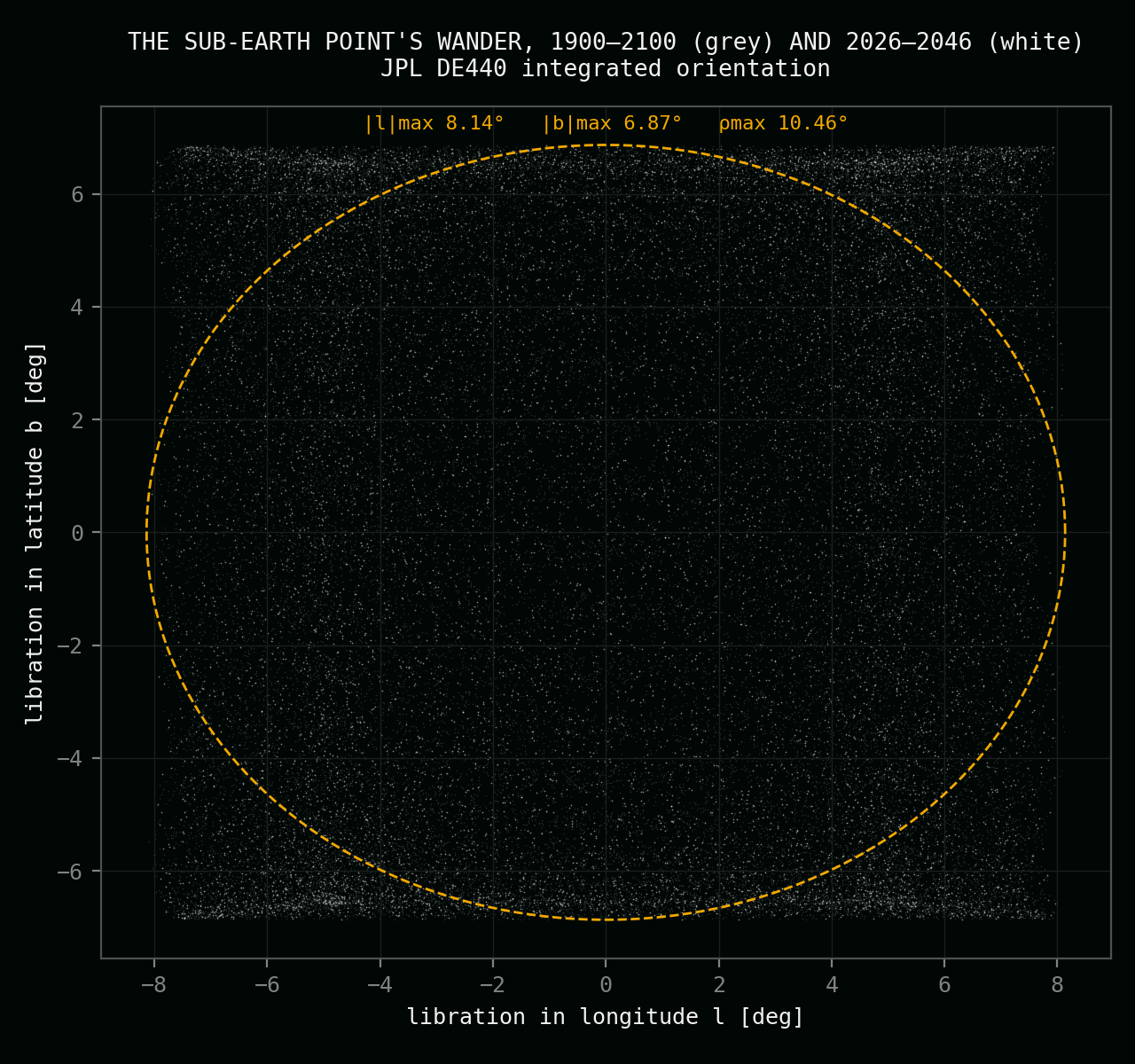
JPL planetary ephemerides (DE440)
NASA JPL's planetary and lunar ephemerides — the positional data used to work out where Earth sits in the Moon's sky across the libration cycle.
Visit source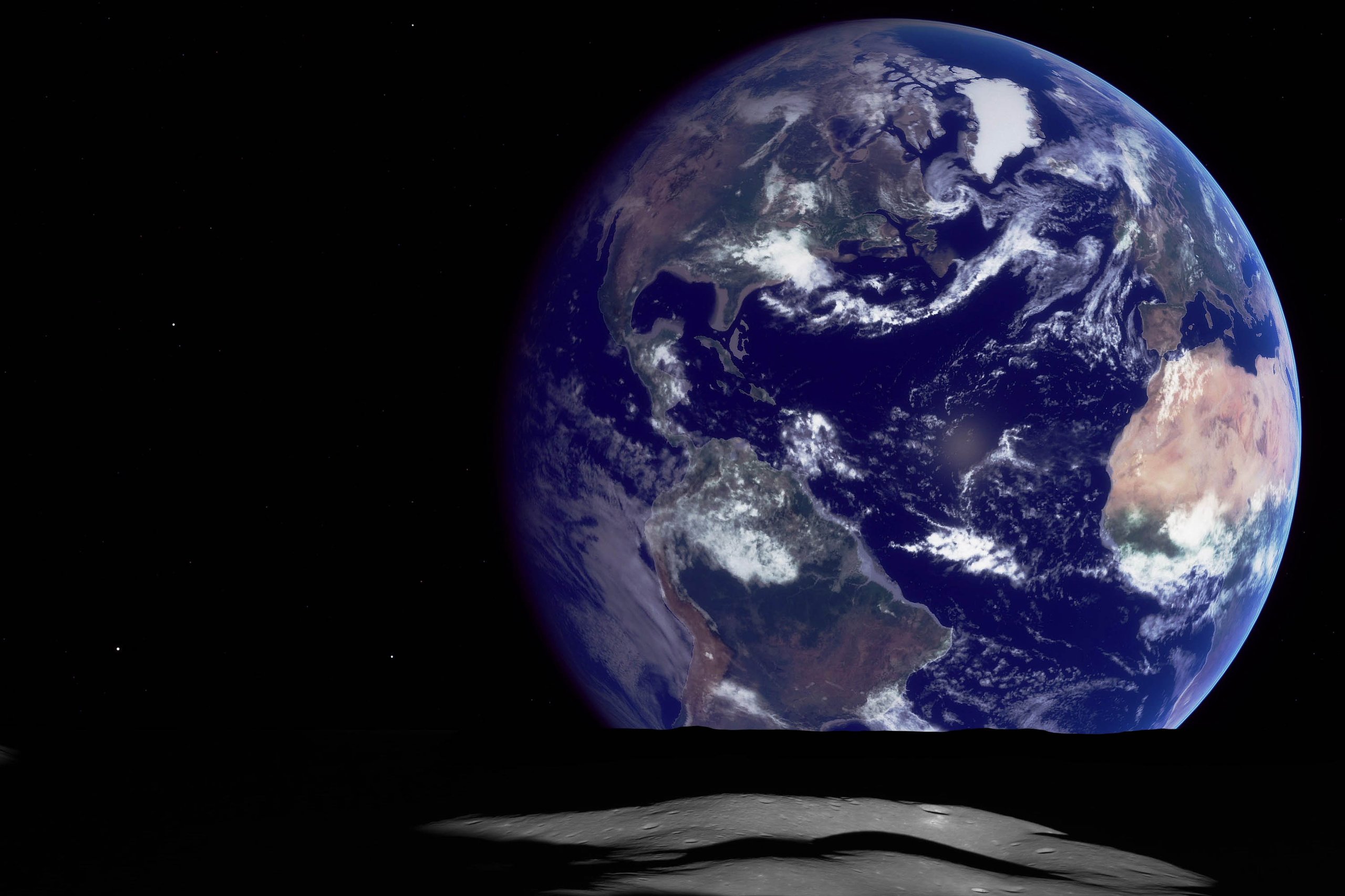
NHK STRL: the lab behind 8K
NHK’s Science & Technology Research Laboratories, where 8K Super Hi-Vision was developed — the kind of resolution that would let a single frame hold the whole Earth disc in detail.
Visit source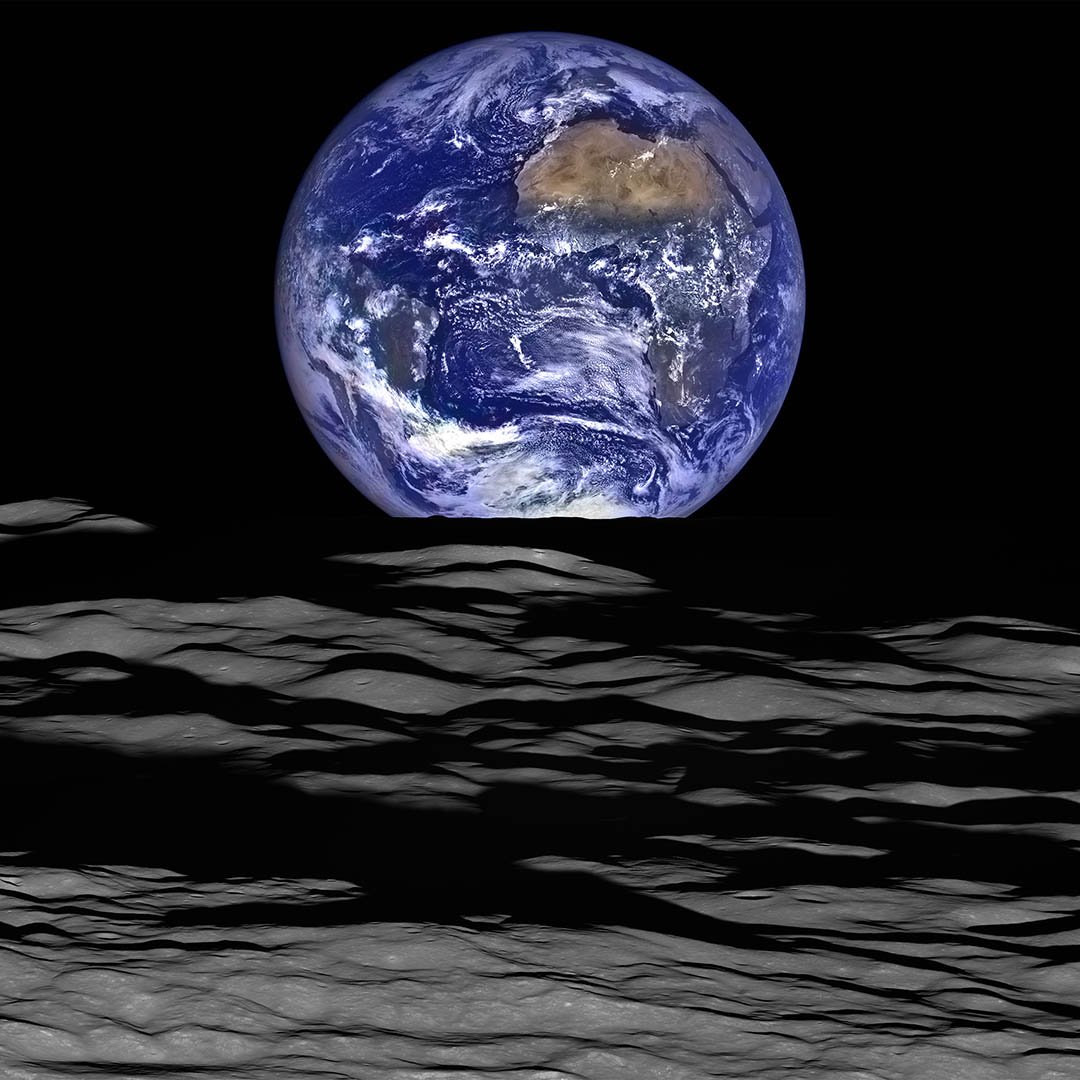
ITU-R BT.2020
The international recommendation for ultra-high-definition television — the colour and resolution standard behind high-fidelity imaging.
Visit source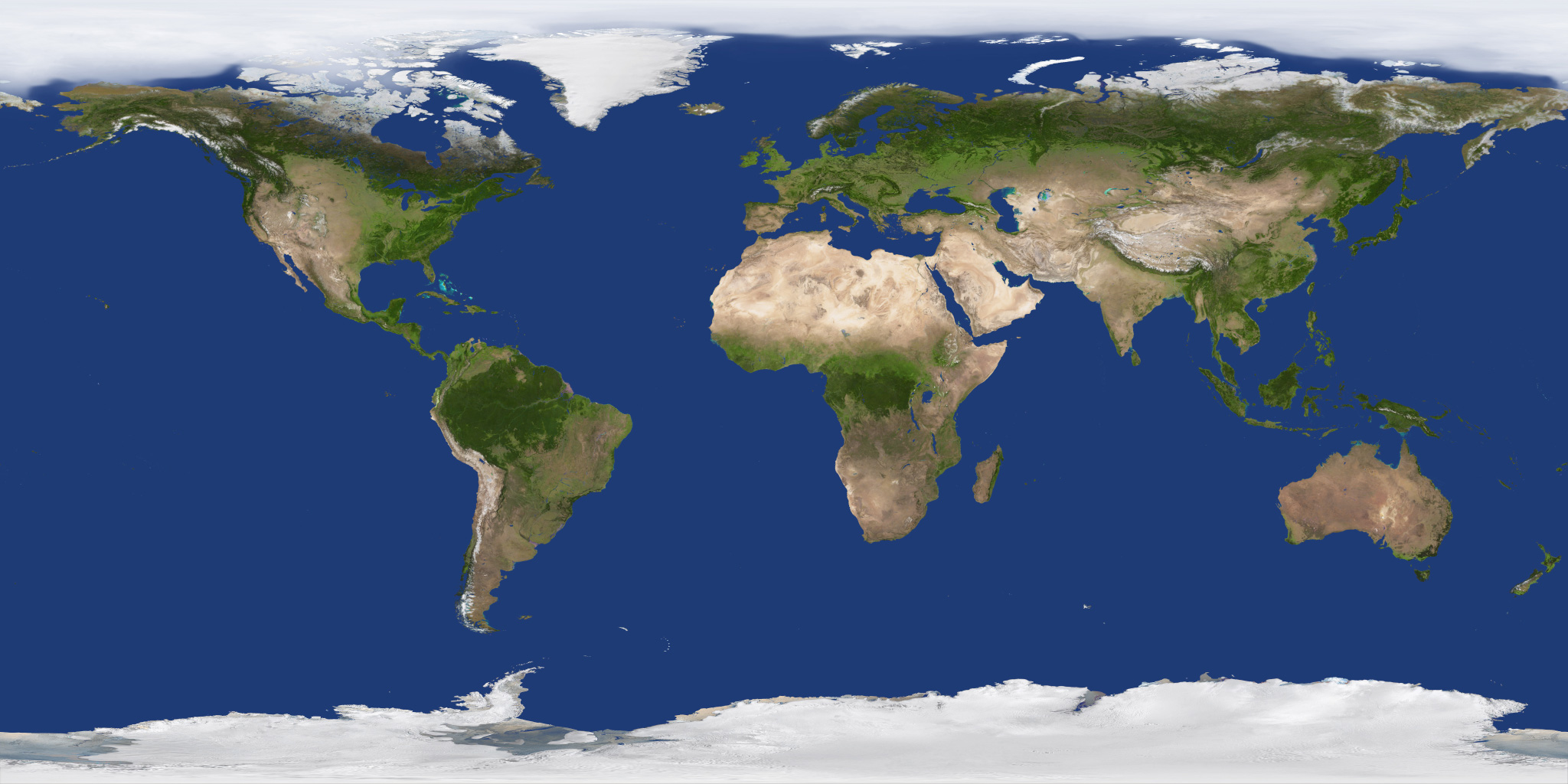
Solar System Scope textures
Open planetary surface textures used in visualisations of Earth and the Moon — a reference for the rendered previews of the view.
Visit source